 Black
Black Bubble Black
 Charcoal
 Cognac
 Brown
Brown Cafe
Cafe Walnut
 Almond
 Saddle
 Eggplant
 Oxblood
 Burgundy
 Aubergine
 Tan
Tan Hazel
Hazel Ballet Slipper
 Blush
Blush Camel
Camel Red
Red Orange
 Natural
 Burnt Orange
 Poppy
Poppy Plum
Plum Rosa
Rosa White
White Oat
Oat Grey
Grey Cobra
Cobra Desert Trail
 Denim
Denim Indigo
 Emerald
 Teal
Teal Turquoise
 Sky Blue
 Grass
Grass Green
Green Moss
Moss Olive
Olive Yellow
 Lemon
Lemon Honey
Honey Chartreuse
 Mustard
The True Cost of a Handbag: Quality Leather Delivers Half the Cost-Per-Wear of Fast Fashion
New analysis reveals that investing in a premium leather handbag costs roughly half as much per use as repeatedly purchasing fast-fashion alternatives—challenging conventional assumptions about affordable fashion and revealing a hidden economic reality in consumer spending patterns.
Key Data Points
- Cost-per-wear comparison: Quality leather handbags cost approximately $0.16 per wear versus $0.34 per wear for fast-fashion alternatives—a 53% savings per use
- 10-year total spending: One $250 quality leather bag versus approximately $533 spent on 13–14 replacement fast-fashion bags
- Product lifecycle gap: Premium full-grain leather bags last 10+ years compared to 6–12 months for typical fast-fashion handbags
- Environmental impact: Choosing one durable bag over a decade prevents approximately 10–11 pounds of handbag material from entering landfills
- Replacement rate: Consumers need to purchase a new fast-fashion handbag every 9 months on average to maintain comparable daily use
- Break-even point: A quality leather bag pays for itself in cost-per-wear terms after approximately 3.2 years of use
The Hidden Economics of Handbag Ownership
While fast-fashion handbags advertise accessibility with price tags around $40, a decade-long analysis of actual ownership costs tells a dramatically different story.
When factoring in product lifespan and replacement cycles, consumers who opt for budget alternatives may spend more than double what they would on a single, high-quality investment piece—all while believing they're making the more economical choice.
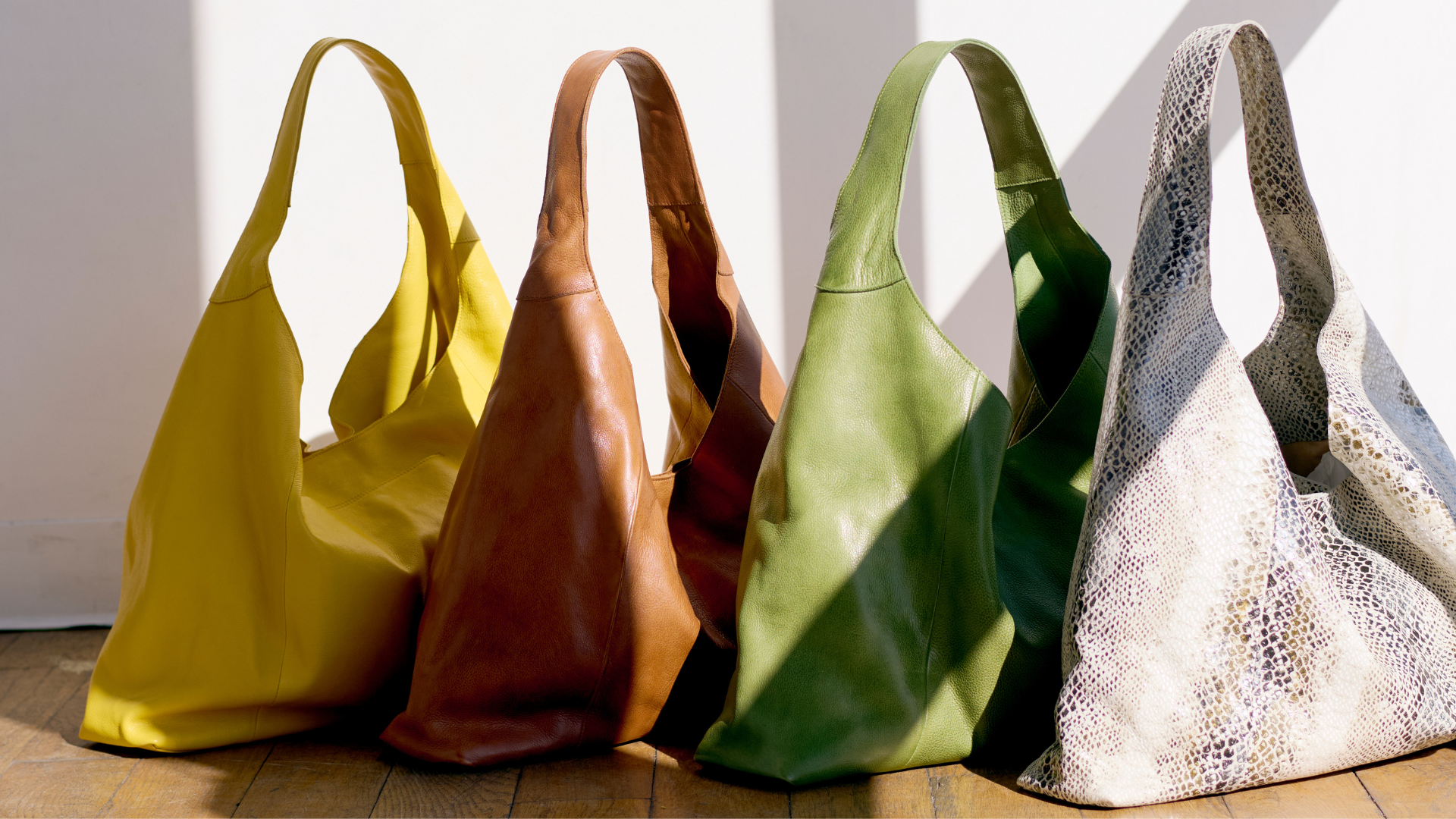
The analysis, conducted using industry research on product lifecycles and consumer usage patterns, modeled a 10-year ownership period comparing Latico Leathers bags—crafted from full-grain leather at a $250 price point—against typical fast-fashion handbags priced at $40. The findings reveal a significant gap between perceived affordability and actual long-term cost.
At the heart of this economic paradox is a simple reality: cheaper products that need frequent replacement ultimately cost more than durable goods that last.
Yet this truth often remains obscured by the psychology of upfront pricing, where a $40 purchase feels more accessible than a $250 investment, even when the latter delivers superior long-term value.

Breaking Down the Numbers
The study assumed consistent usage of 3 times per week for both bag types, reflecting typical consumer behavior for everyday handbags based on apparel usage averages commonly referenced in fashion consumption research.
This translates to approximately 156 uses per year, or 1,560 total uses over a 10-year period—a realistic timeframe for evaluating durable goods purchases.
For a quality leather bag priced at $250 with a 10-year lifespan, the mathematics are straightforward: $250 divided by 1,560 wears equals $0.16 per use. This cost-per-wear metric provides a standardized way to evaluate the true economics of a purchase beyond its sticker price.
The fast-fashion calculation, however, requires accounting for multiple replacement cycles.
With each bag lasting approximately 9 months (the midpoint of a 6–12 month expected lifespan), a consumer would need to purchase a new bag roughly every three-quarters of a year. Over 10 years, this translates to 13.3 replacement purchases.
At $40 per bag, this replacement cycle creates a cumulative expenditure of approximately $533.
When spread across the same 1,560 uses, the cost-per-wear rises to $0.34—more than double the quality leather option. Put another way, consumers pay an additional $0.18 every single time they carry a fast-fashion bag compared to a quality alternative.
The Replacement Cycle Reality
The 13–14 bag replacement cycle over a decade represents more than just financial cost—it represents time, decision-making energy, and the recurring inconvenience of product failure.
Each replacement requires research, shopping, purchase, and the transfer of contents from an old bag to a new one. While these transaction costs are difficult to quantify, they represent real expenditures of time and attention in consumers' lives.
Moreover, the 9-month average lifespan used in this analysis may actually be generous.
Industry research on fast fashion consistently describes products designed for abbreviated use periods, with items frequently discarded well under a year due to wear, damage, or rapidly shifting trends. Some fast-fashion bags may fail even sooner, particularly with regular use, potentially increasing both the replacement frequency and total cost.
The durability gap also affects how consumers use their bags.
A quality leather bag can withstand daily use, weather exposure, and the wear that comes with being a true everyday accessory. Fast-fashion alternatives often require more careful handling, limiting their practical utility and potentially prompting consumers to own multiple bags simultaneously—a factor not captured in this analysis but that would further increase total spending.

Methodology and Assumptions
The research employed conservative assumptions to ensure credibility and replicability.
Premium full-grain leather bags were assigned a 10-year functional lifespan, consistent with durability expectations for quality leather goods and supported by warranty periods and customer reviews typical of the premium handbag category. Many quality leather bags actually exceed this timeframe with proper care, making the 10-year figure a reasonable baseline rather than an upper limit.
Fast-fashion handbags were modeled at a 6–12 month lifespan range, with a 9-month midpoint used for calculations.
This range reflects industry characterizations of fast fashion as having abbreviated product lifecycles and low durability, with items frequently discarded within a year. The characterization aligns with research from organizations like McKinsey and WRAP (Waste and Resources Action Programme) that have documented fast fashion's business model as predicated on rapid product turnover.
The $250 price point represents the midpoint of Latico Leathers' typical range ($180–$320) for full-grain leather totes, crossbodies, and shoulder bags.
Using a midpoint provides a neutral baseline that avoids cherry-picking either the least expensive or most premium options. The $40 fast-fashion price similarly reflects the midpoint of the typical retail range ($20–$60) for trend-driven bags at major fast-fashion retailers, based on current market pricing across multiple major brands.
Environmental Considerations Beyond Cost
Beyond financial implications, the durability gap carries significant environmental consequences that extend the value proposition of quality goods beyond individual consumer economics.
Each fast-fashion bag replaced represents approximately 0.8 pounds of material—the industry standard weight for synthetic purses and totes. Over 10 years, choosing one durable bag instead of 13–14 disposable alternatives prevents roughly 10–11 pounds of handbag material from entering waste streams.
This waste reduction occurs without requiring any change in consumer usage patterns, lifestyle adjustments, or sacrifice in daily functionality.
The environmental benefit stems purely from the extended product lifecycle of quality construction. In an era of increasing concern about textile waste and the environmental footprint of fashion, this represents a straightforward path to impact reduction that aligns personal economic interest with environmental outcomes.
The environmental calculus extends beyond the finished product to include manufacturing impacts.
Each bag produced requires raw materials, energy, water, labor, and transportation. Producing 13–14 bags over a decade multiplies these inputs by more than an order of magnitude compared to a single durable item.
While a comprehensive lifecycle analysis would require detailed data on manufacturing processes for different product categories, the basic principle holds: making one item that lasts generates less environmental impact than making many items that don't.

Market Context and Consumer Behavior
The findings align with broader research on fast fashion's economic and environmental footprint.
Industry analysis has documented fast fashion's business model as predicated on rapid turnover, with products designed for abbreviated lifecycles rather than longevity. This model creates ongoing replacement demand that can obscure the true long-term cost to consumers while generating continuous revenue for retailers.
The cost-per-wear framework offers a counterpoint to upfront price comparisons, revealing how initial affordability can translate into higher lifetime expenditure when product durability is factored into purchasing decisions.
This analytical approach has gained traction in sustainable fashion circles, with resale platforms and consumer advocates promoting it as a tool for more informed purchasing.
However, the persistence of fast fashion despite its higher long-term costs suggests that factors beyond pure economics drive consumer behavior.
Immediate affordability, trend responsiveness, variety-seeking, and the psychological satisfaction of frequent new purchases all play roles in shopping decisions. The $250 upfront cost of a quality bag may be prohibitive for consumers with limited discretionary income, even if the long-term economics favor that choice.
Understanding the true cost-per-wear doesn't eliminate these barriers, but it does provide valuable information for consumers who have the option to choose between approaches.
Implications for Consumer Decision-Making
For consumers with the financial flexibility to choose between upfront investment and recurring smaller purchases, the cost-per-wear analysis provides a compelling framework for evaluation.
The break-even point arrives at approximately 3.2 years—the point at which the cumulative cost of fast-fashion replacements surpasses the one-time cost of a quality bag. Beyond that threshold, every additional year of use represents pure savings compared to the alternative approach.
This analysis also highlights a broader principle applicable beyond handbags to numerous product categories: durability has economic value that standard price comparisons fail to capture.
From furniture to footwear, electronics to outerwear, the relationship between upfront cost and cost-per-use often favors quality over economy options when evaluated across realistic usage timelines.
About the Analysis
This cost-per-wear comparison was conducted using industry research on fashion product lifecycles, consumer usage patterns, and material weights. The analysis used a 10-year timeframe to model long-term ownership costs and environmental impact.
Pricing reflects typical retail ranges for quality leather handbags and fast-fashion alternatives as of 2024–2025.
The analysis was commissioned to provide journalists and researchers with data-driven insights into the economics of quality versus fast-fashion handbag purchases, using Latico Leathers products as a representative case study of premium leather goods.