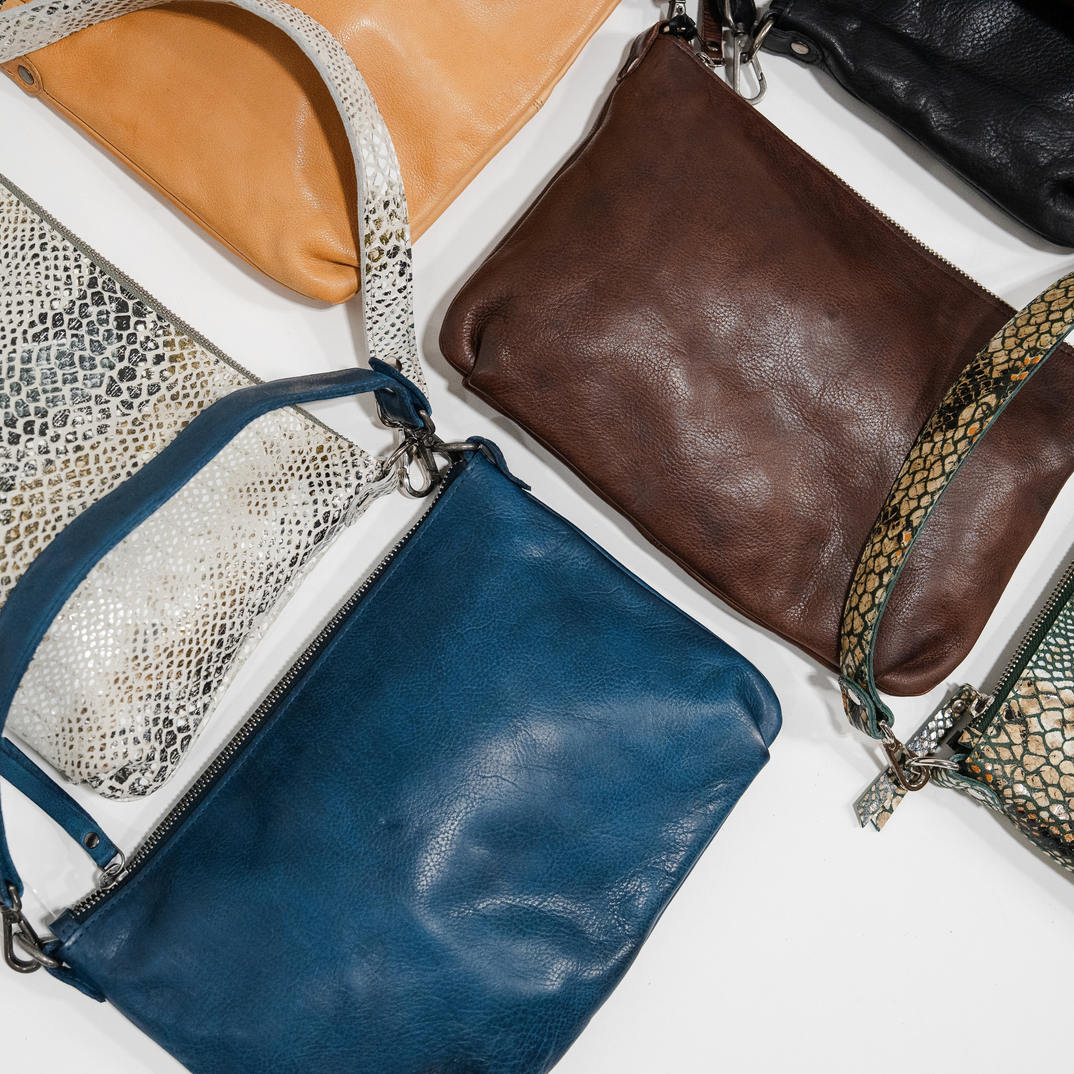
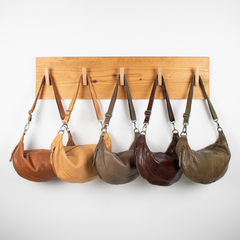
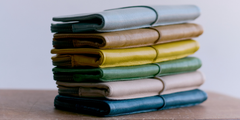
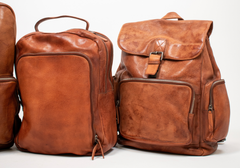
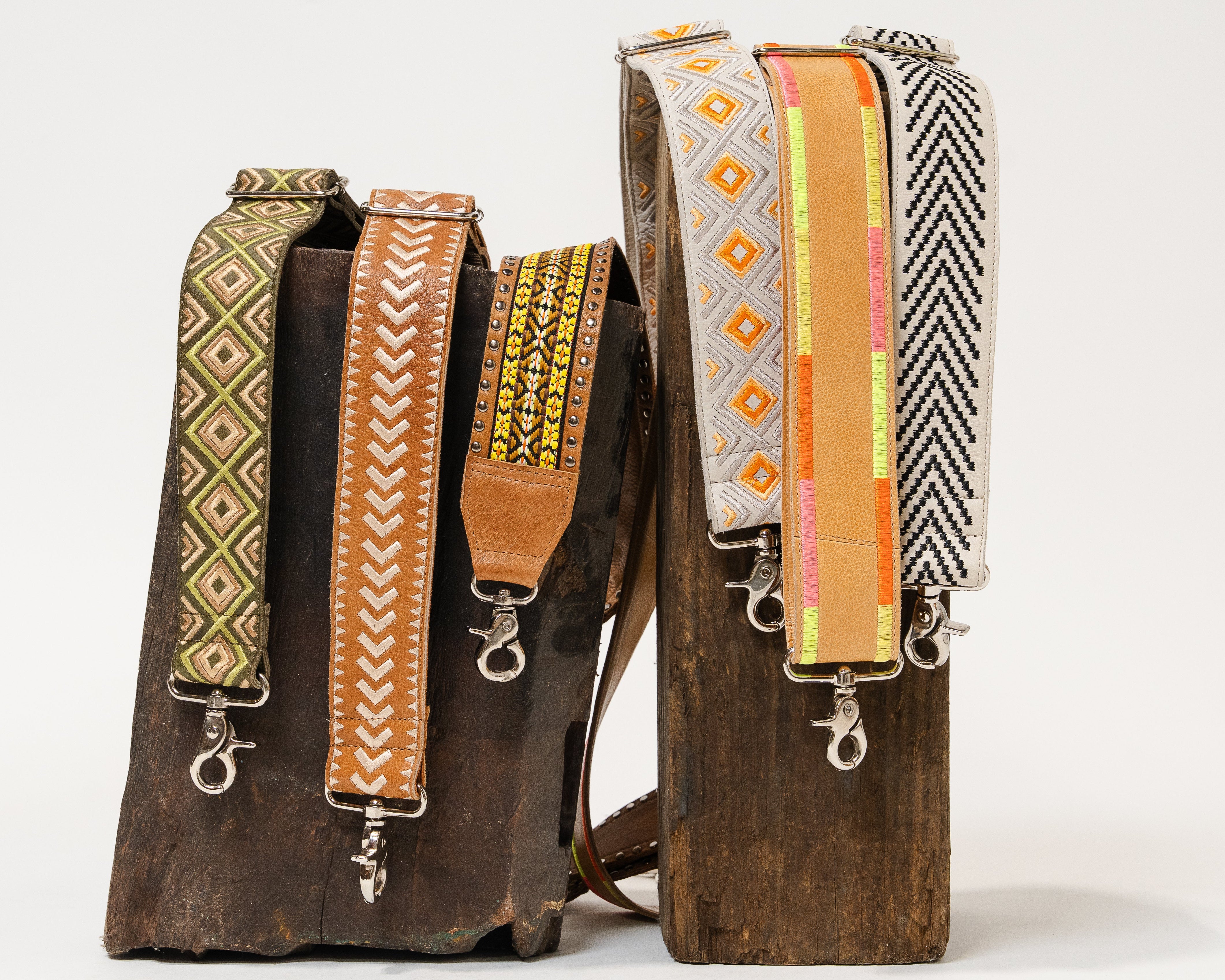
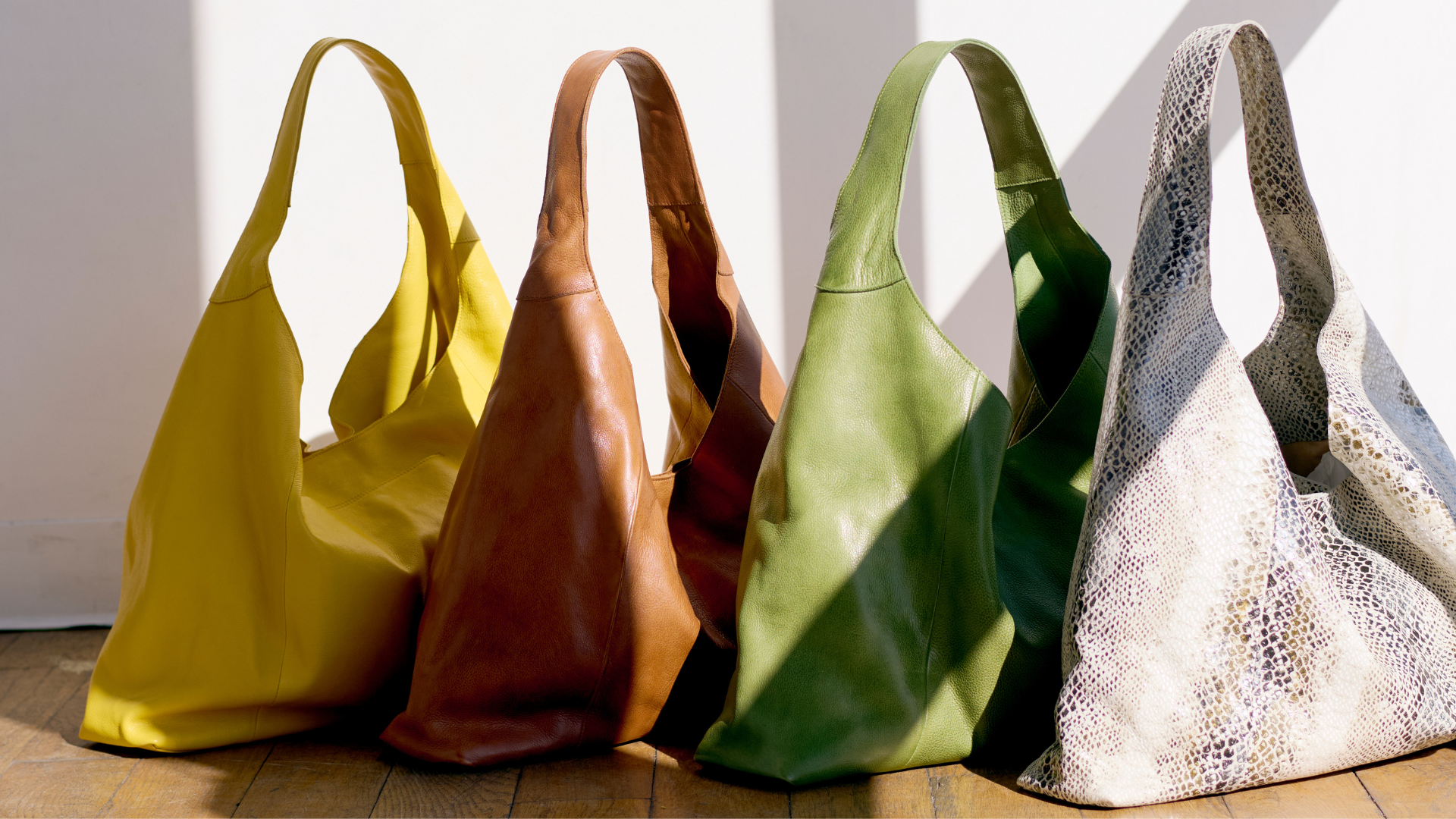
 Cognac
 Black
Black Oat
Oat Brown
Brown Cafe
Cafe Walnut
 Eggplant
 Oxblood
 Burgundy
 Aubergine
 Tan
Tan Hazel
Hazel Blush
Blush Camel
Camel Red
Red Orange
 Natural
 Burnt Orange
 Poppy
Poppy Plum
Plum Rosa
Rosa White
White Grey
Grey Cobra
Cobra Denim
Denim Indigo
 Emerald
 Teal
Teal Turquoise
 Sky Blue
 Grass
Grass Green
Green Olive
Olive Yellow
 Lemon
Lemon Honey
Honey Chartreuse
 Mustard
 Lavender
 Mint
Mint Foil Burgundy
 Foil Cream
 Foil Cobra
 Foil Desert Trail
 Foil Black
 Foil Sea Glass
 Foil Turquoise
 Foil Sunflower
 Foil Brown
 Foil Chartreuse
 Foil Red
 Foil Berry
 Foil Purple
 Foil Steel
 Foil Teal
 Hair On Black
 Hair On Brown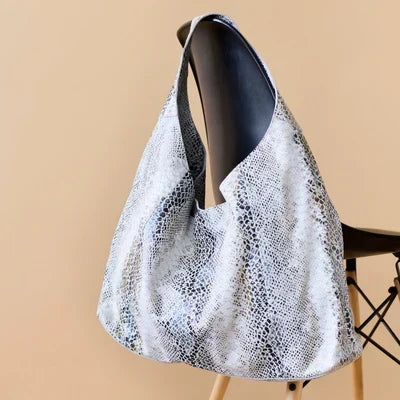
Durability vs. Disposability: What Fashion Consumer Data Reveals
The fashion industry has spent years cultivating an image of growing sustainability consciousness. Consumers say they care about how their clothes are made, what materials are used, and how long products last.
And according to survey data, they mean it — at least when asked.
But when researchers look at what people actually buy, how often they buy it, and what the industry continues to produce at scale, a more complicated picture emerges.
Stated preferences and observed behaviour are two different things. The distance between them — well-documented in academic literature as the "attitude–behaviour gap" — has become one of the defining tensions in contemporary fashion research.
Understanding it requires looking at both sides of the equation: what consumers report in surveys, and what the production and purchasing data actually shows.
The data below compiles findings from publicly available consumer research and industry reports to examine that measurable gap. It is intended as a resource for journalists and researchers covering sustainable consumption, the fashion industry, and the psychology of purchasing behaviour.

Key Data Points at a Glance
-
67% of consumers say the use of sustainable materials influences their purchasing decisions (McKinsey State of Fashion)
-
63% say a brand's sustainability practices matter when choosing where to shop (McKinsey)
-
~1 in 5 consumers (17%) report buying clothing more than once per month; an additional ~16% buy monthly
-
46% of EU internet users purchased clothing, shoes, or accessories online in the past 12 months (Eurostat)
-
82% of consumers aged 26–35 globally bought clothing online in the past year
-
124 million tonnes of fibre were produced globally in 2023 — the highest level ever recorded (Textile Exchange Materials Market Report 2024)
-
Polyester accounts for 57% of total global fibre production, reflecting continued reliance on synthetics
-
The fashion industry produces over 100 billion garments annually, generating approximately 92 million tonnes of textile waste each year (Ellen MacArthur Foundation)
-
The global secondhand apparel market reached $197 billion in 2023 and is projected to reach $350 billion by 2028 (ThredUp Resale Report 2024)
-
77% of handbag users report using their bags weekly or more; 42% use them daily (Grand View Research)
The Intention–Behaviour Gap
Across multiple datasets, a consistent pattern holds: consumers express strong sustainability values, while aggregate purchasing behaviour and industry production figures trend in the opposite direction.
Two-thirds of consumers surveyed by McKinsey say sustainable materials influence what they buy. Nearly as many — 63% — say a brand's sustainability practices factor into their shopping decisions.
These are not marginal figures. They represent a clear majority of the consumer base, suggesting that sustainability is no longer a niche concern.
Yet the same consumer base accounts for fashion industry output that has doubled since 2000. Global fibre production reached 124 million tonnes in 2023, the highest level ever recorded, according to the Textile Exchange Materials Market Report 2024.
Polyester — a petroleum-derived synthetic — accounts for 57% of that total. The Ellen MacArthur Foundation estimates that the industry now produces over 100 billion garments per year, resulting in approximately 92 million tonnes of textile waste annually.
Academic researchers have documented this discrepancy extensively. The term used in peer-reviewed literature is the "attitude–behaviour gap" — the phenomenon in sustainable consumption studies where stated environmental values fail to translate into corresponding purchasing decisions.
Purchase Frequency: Who Is Actually Buying
The survey data on how often consumers buy clothing helps contextualise the production figures. Approximately 17% of consumers report purchasing clothing more than once per month, with an additional roughly 16% buying monthly.
Together, that represents roughly a third of shoppers making clothing purchases at high frequency.
Younger consumers are disproportionately represented in online fashion purchasing. Eighty-two percent of consumers aged 26 to 35 globally report having bought clothing online in the past year.
Across all age groups, 46% of EU internet users made an apparel purchase online in the same period, according to Eurostat.
These figures are significant not because frequent purchasing is inherently problematic, but because they sit in direct tension with stated sustainability priorities.
If durability were a primary driver of purchasing decisions at scale, aggregate purchase frequency would be expected to decline as consumers opted for fewer, longer-lasting items. The data does not support that trend at this stage.
The Resale Signal — and Its Limits
One of the more encouraging data points is the sustained growth of the secondhand market. The global resale market for apparel reached approximately $197 billion in 2023, according to ThredUp's 2024 Resale Report, and is projected to reach $350 billion by 2028.
More than half of consumers report having purchased secondhand apparel.
This growth is real and meaningful. Resale extends product life cycles, reduces the volume of items going directly to landfill, and reflects growing consumer awareness of fashion's environmental footprint.
However, research suggests that resale activity often occurs alongside new purchases rather than replacing them. This is a phenomenon sometimes called "moral licensing" — where the perceived virtue of one sustainable action loosens constraints on less sustainable ones.
Critically, global garment production volumes have continued to rise despite resale's expansion. The resale market and the primary market are, for now, growing in parallel.
Accessories and the Durability Argument
The accessories category offers a useful case study for thinking about durability. Grand View Research consumer data shows that 77% of handbag users report using their bags weekly or more, and 42% use them daily.
High-frequency usage items, by straightforward logic, represent the strongest candidates for durability-focused purchasing — the cost-per-use equation clearly favours a longer-lasting product.
Yet accessories are produced within the same synthetic-dominated supply chain and trend-driven retail cycle as the broader fashion industry. High-utility items exist within high-turnover systems.
A bag used every day for five years represents a fundamentally different consumption pattern than one bought seasonally and discarded — but industry pricing structures and trend cycles don't always reflect that distinction.
The consumer case for durability is clearest precisely where industry incentives most often push in the opposite direction.
What the Data Suggests
The picture that emerges from this data is not one of consumer bad faith. Awareness is genuinely high. Stated values are broadly consistent across surveys. The resale market is growing rapidly.
What the data does suggest is that awareness and intention are necessary but not sufficient conditions for behavioural change at scale.
Economic pressure, trend cycles, ecommerce convenience, and the sheer volume and accessibility of fast fashion continue to shape purchasing patterns in ways that stated values alone have not yet offset.
For journalists covering sustainable consumption, these datasets offer a useful corrective to narratives that treat consumer sentiment as a reliable proxy for consumer behaviour — or that treat resale growth as evidence of a structural decline in overall fashion consumption.
For more information, check out our latest report on premium fashion market trends.