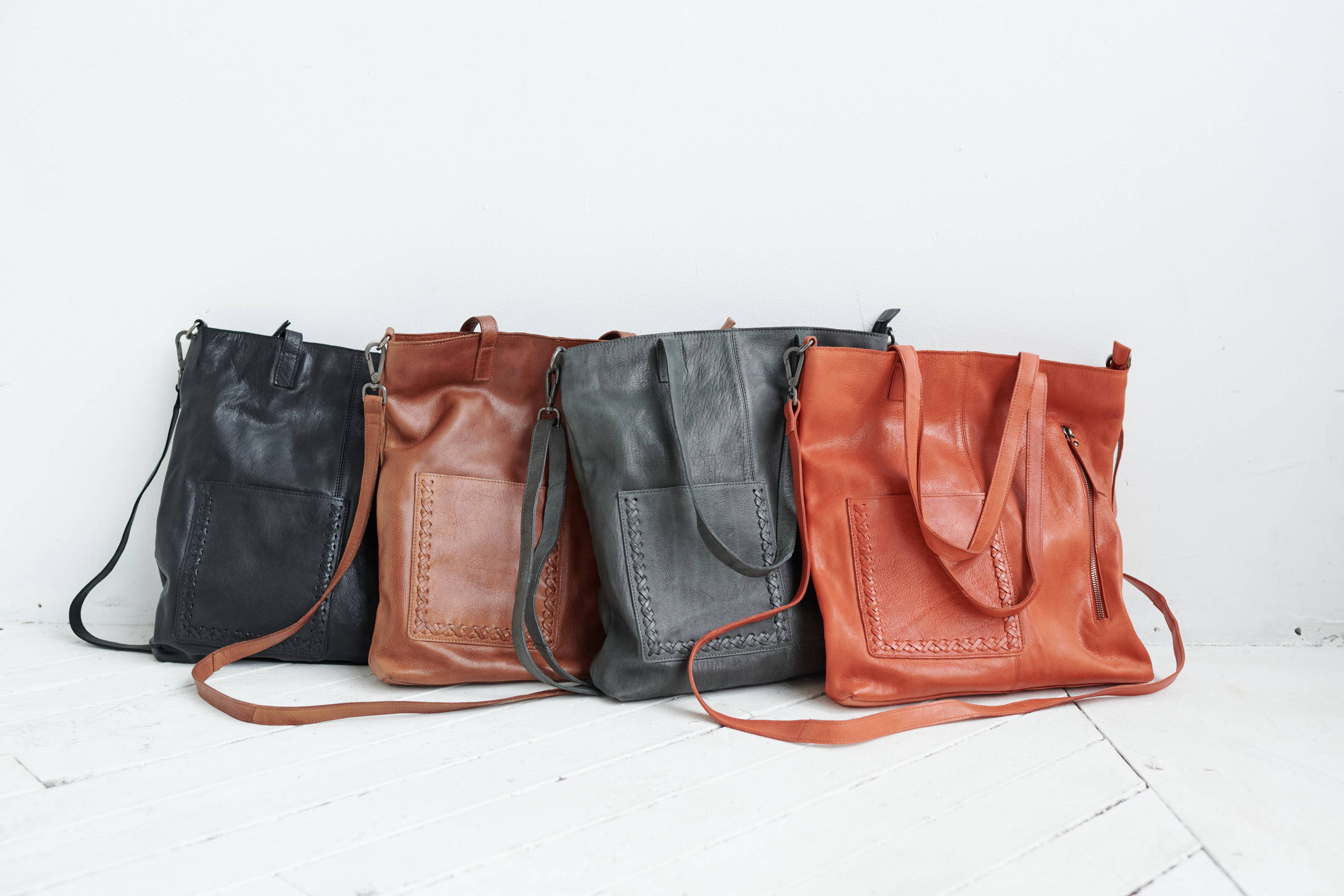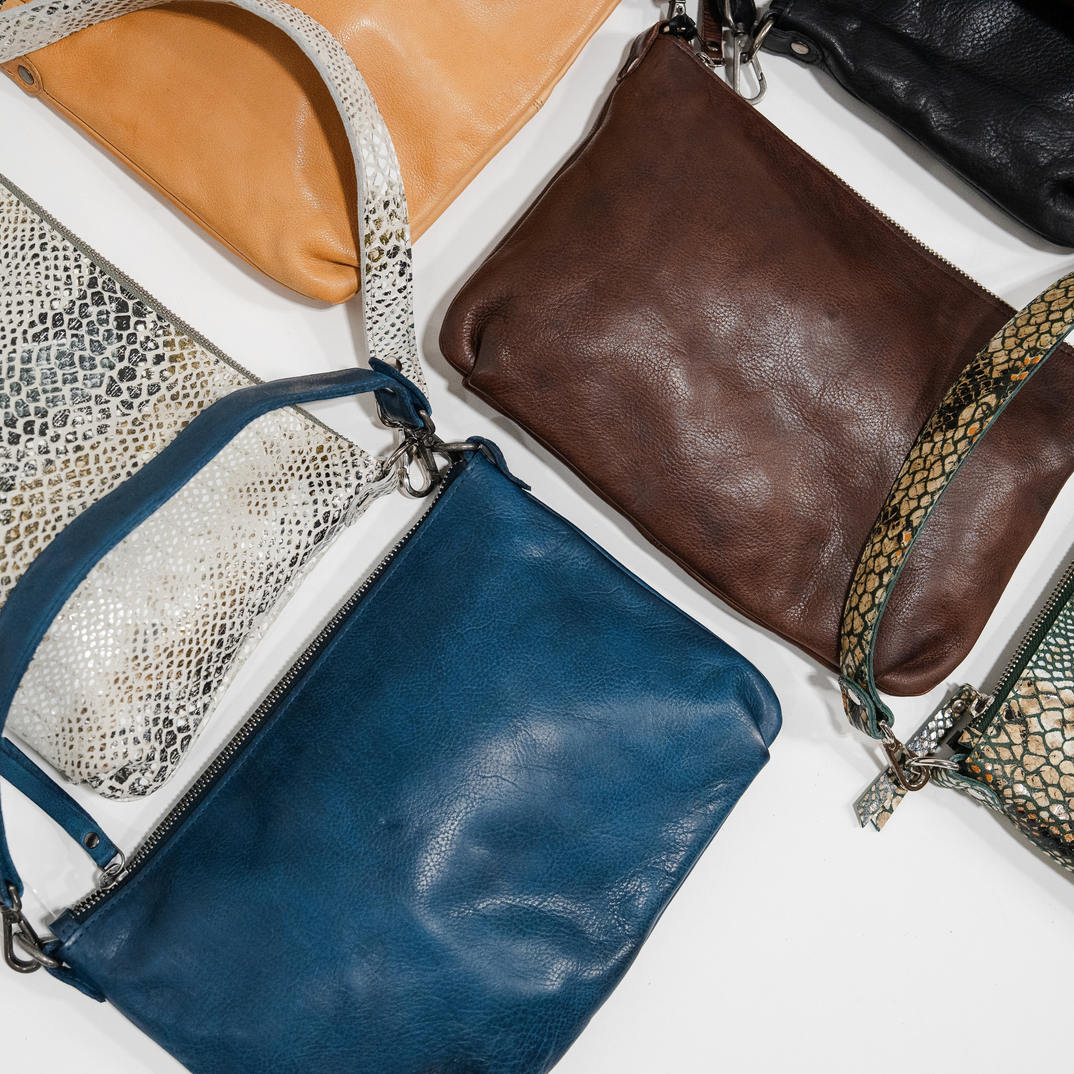

 Cognac
 Black
Black Oat
Oat Bone
Bone Brown
Brown Cafe
Cafe Mocha
Mocha Walnut
 Ruby
Ruby Wine
Wine Charcoal
 Slate
Slate Auburn
 Eggplant
 Oxblood
 Moss
Moss Burgundy
 Aubergine
 Tan
Tan Hazel
Hazel Blush
Blush Camel
Camel Red
Red Orange
 Natural
 Burnt Orange
 Poppy
Poppy Plum
Plum Rosa
Rosa White
White Grey
Grey Cobra
Cobra Denim
Denim Indigo
 Emerald
 Teal
Teal Turquoise
 Sky Blue
 Grass
Grass Green
Green Olive
Olive Yellow
 Lemon
Lemon Honey
Honey Chartreuse
 Mustard
 Lavender
 Mint
Mint Foil Burgundy
 Foil Cream
 Foil Cobra
 Foil Desert Trail
 Foil Black
 Foil Sea Glass
 Foil Turquoise
 Foil Sunflower
 Foil Brown
 Foil Chartreuse
 Foil Red
 Foil Berry
 Foil Purple
 Foil Steel
 Foil Teal
 Hair On Black
 Hair On Brown
How to Choose a Crossbody Bag for Work
You leave the house with coffee in one hand and your phone in the other, and the right work bag never asks for a third. It sits at your hip, holds the day, and reads as polished the moment you walk into the meeting.
A crossbody can do all of that, but only when you choose it for your real workday rather than the one in the photo.
Most guides jump straight to a product roundup. This one starts a step earlier, with the question that decides everything else: what does your work environment ask of a bag? Get that right and the rest falls into place: capacity, crossbody styles, strap comfort, and the details that follow.
What Makes a Crossbody Work-Appropriate
A work crossbody has to balance three things at once. It needs to look professional, keep your hands free across a commute and a full day, and hold enough work essentials to get you through without reading as casual or oversized. Miss any one of those and the bag stays in the closet.
This guide is for anyone weighing options across office, hybrid, client-facing, and commute-heavy days. The lens stays the same throughout: fit for your environment, capacity, materials, comfort and security, organization, and versatility.
Treat those six as filters rather than a wish list. The best work bag is rarely the one that scores highest on every axis. It is the one that matches how you move through your week.
Read Your Work Environment First
Context drives this decision more than any single feature. A corporate law office, a creative studio, and a hospital floor each ask for different things, and a bag that shines in one can feel wrong in another. Before you compare zippers or colors, name your setting.
A few broad tiers help:
-
Formal or client-facing: structured silhouettes, restrained hardware, and full-grain or smooth leather that signals you take the details seriously.
-
Business casual or hybrid: mid-structure bags in moderate sizes and neutral tones, flexible enough to move between desk days and meetings.
-
Active or on-foot roles: abrasion resistance, secure closures, and easy-clean surfaces that hold up to constant motion.
There is one question worth answering before anything else. Does your bag need to disappear into a professional look, or can it carry visible personality? In a boardroom, quiet is usually the point. In a studio, a little character reads as confidence.
Your commute shifts the priorities too. Transit and walking days push strap comfort and security to the top, while a short drive into a parking garage lets you weight looks more heavily. Picture the worst part of your commute, then choose for that.

Sizing It to a Real Workday
The most common mistake is choosing by looks, then discovering the bag won't hold a normal day. Start with the carry list, not the silhouette.
Write down what travels with you each day: phone, wallet, keys, badge or lanyard, sunglasses, a charger, a small notebook, maybe a water bottle or lunch. That list, not the product page, tells you the size you need.
Three capacity tiers cover most workdays:
-
Compact: phone, wallet, and keys. Good as a second bag or for in-office moves between desk and conference room. The Edda Wallet Crossbody sits here, built for the days you carry light.
-
Mid: full daily essentials in one bag. This is the typical everyday work crossbody, the Claudia Diamond Leather Crossbody Bag being a clean example of the one-bag carry.
-
Large or convertible: room for a tablet or documents when the day demands it.

There is a point where a crossbody stops being the right format. Once a laptop or a stack of files has to travel daily, a convertible style, a larger messenger bag or a dedicated work bag takes over. The Vista Crossbody Shoulder Bag bridges that gap.
When tech is non-negotiable, the Laptop & Tech Leather Collection is the place to look. If a full tote makes more sense for your role, our guide to choosing a tote bag for work covers that format.
Dimensions and weight matter as comfort factors, not only storage numbers. A medium-sized bag that distributes weight evenly across your body will feel lighter at hour eight than a smaller one that hangs wrong.
Materials and Construction That Survive Daily Use
Durability is where work bags are won or lost. A bag you carry five days a week takes more handling in a year than a weekend bag takes in five, so material and construction are the decision axis that pays off longest.
Leather type sets the ceiling, and the differences show up over years of daily handling:
-
Full-grain: the top, strongest layer of the hide with the natural grain left intact. It resists wear and ages into a richer patina rather than cracking.
-
Top-grain: sanded smoother and wears well, but loses some of that character over time.
-
Genuine and bonded: sit lower on the scale and scuff and peel sooner.
If you want the longer version, our breakdown of full-grain vs. top-grain leather goes deeper.
Finish affects daily life more than people expect. Pebbled and textured leather hides scratches and scuffs that a smooth finish would show, which is worth weighing if your bag rides public transit or lives on office floors.
Then there are the stress points, the places a bag fails first:
-
Zippers and clasps: the hardware you operate dozens of times a day.
-
Strap anchors: where the full weight of the bag pulls hardest.
-
Stitching density and edge finishing: tight, sealed seams hold up where loose ones fray.
-
Lining: overlooked and often the first thing to go. A flimsy interior wears through long before the leather does.
Latico bags are cut from full-grain leather for exactly this reason. Over years of desk-to-floor abrasion, and water exposure, the material softens and deepens instead of breaking down.
That is the practical case for full-grain in a work bag. Less about looks on day one, more about how it carries on day five hundred.
Comfort, Strap Design, and Commute Security
Comfort and security decide whether a work bag gets used at all. A beautiful bag that strains your shoulder by lunch becomes the bag you leave at home.
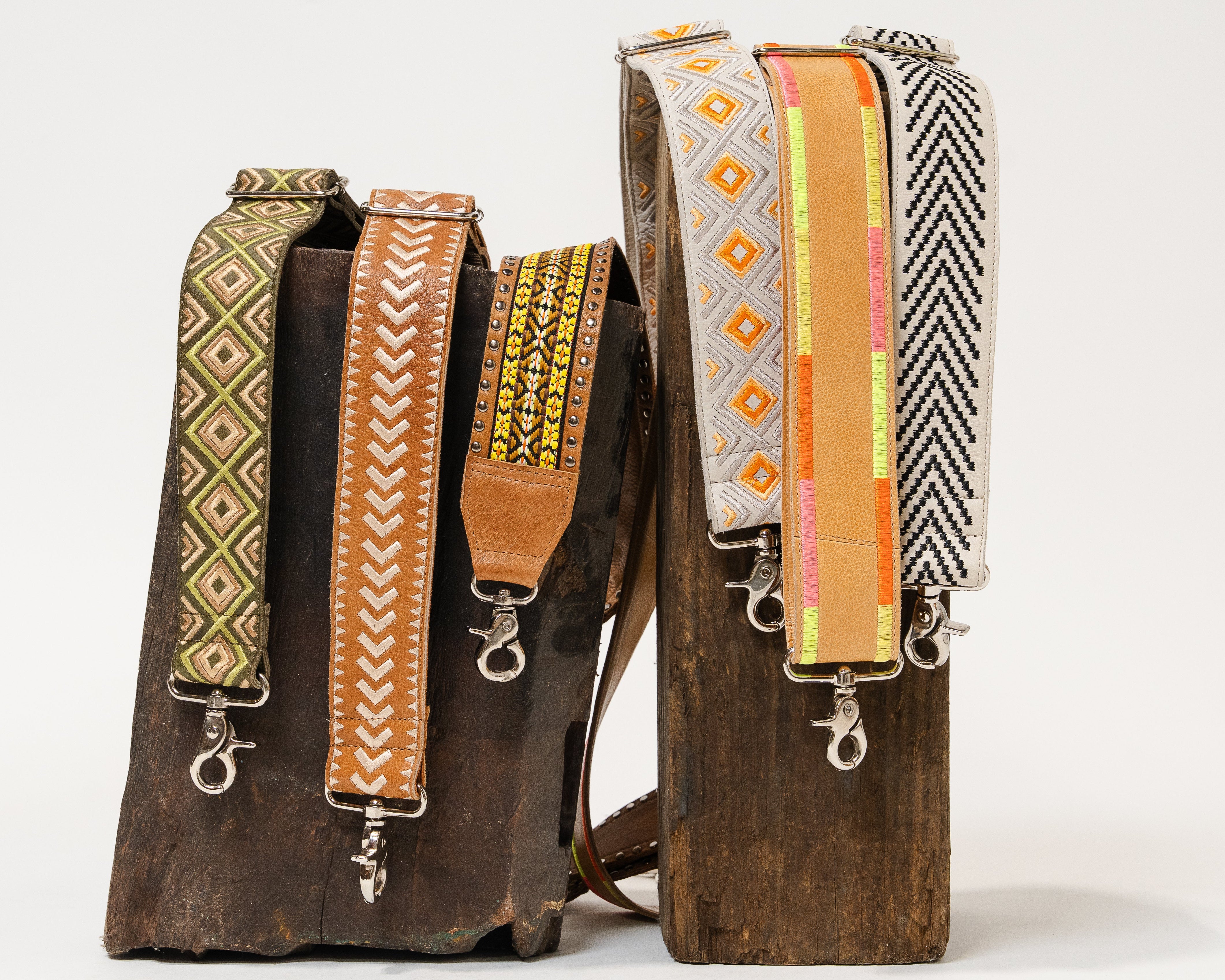
Start with the strap. Width and padding determine how the load sits on a commute, and a wider strap spreads weight in a way a thin one cannot.
Adjustability lets you set the strap length so the bag rides where you want it, whether that is worn across the body at the hip or shortened to sit slightly above. Check the attachment points too, since strap hardware is a common early failure.
Security features matter most on transit and in crowds. The closure is the first decision. A zip-top seals the bag, a magnetic flap trades a little security for quick access, and an open top reads casual and leaves valuables exposed. For most work commutes, a zippered closure is the safer call.
Where you put valuables matters as much as the closure. Interior zip pockets protect a phone or cards better than exterior ones, and a body-side pocket keeps a transit card within reach while sitting against you.
None of that helps if the bag is overloaded, so be honest about weight. An overstuffed crossbody pulls on one shoulder and causes strain over time, the opposite of the hands-free ease that makes the format work.
Organization and Tech-Friendly Layout
Internal structure separates a usable work bag from a throw-everything-in bag. The same essentials feel manageable or chaotic depending on where they live.
Look for a layout that gives each thing a home: a dedicated phone slot, a zip pocket for valuables, a few card slots, a key leash, and a loop or two for pens and cables. A compartment crossbody is built around exactly this kind of internal order.
The principle is quick-access versus secure storage. Things you reach for often, like a phone or transit card, belong in easy-access pockets, while a wallet, passport, or keys belong somewhere zipped. Sorting your carry list into those two buckets tells you what compartment pattern you need.
On the tech side, think about cable management and whether a power bank has a pocket of its own. If a small tablet has to come along, confirm it fits before you buy rather than after. The point is to tie features back to your carry list rather than chasing a spec sheet.
Style, Versatility, and Color Choices
A bag that works desk-to-dinner or across several outfits pays for itself in wear. Versatility is a real value driver, because the bag you can use everywhere is the one you stop replacing.
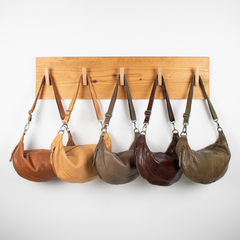
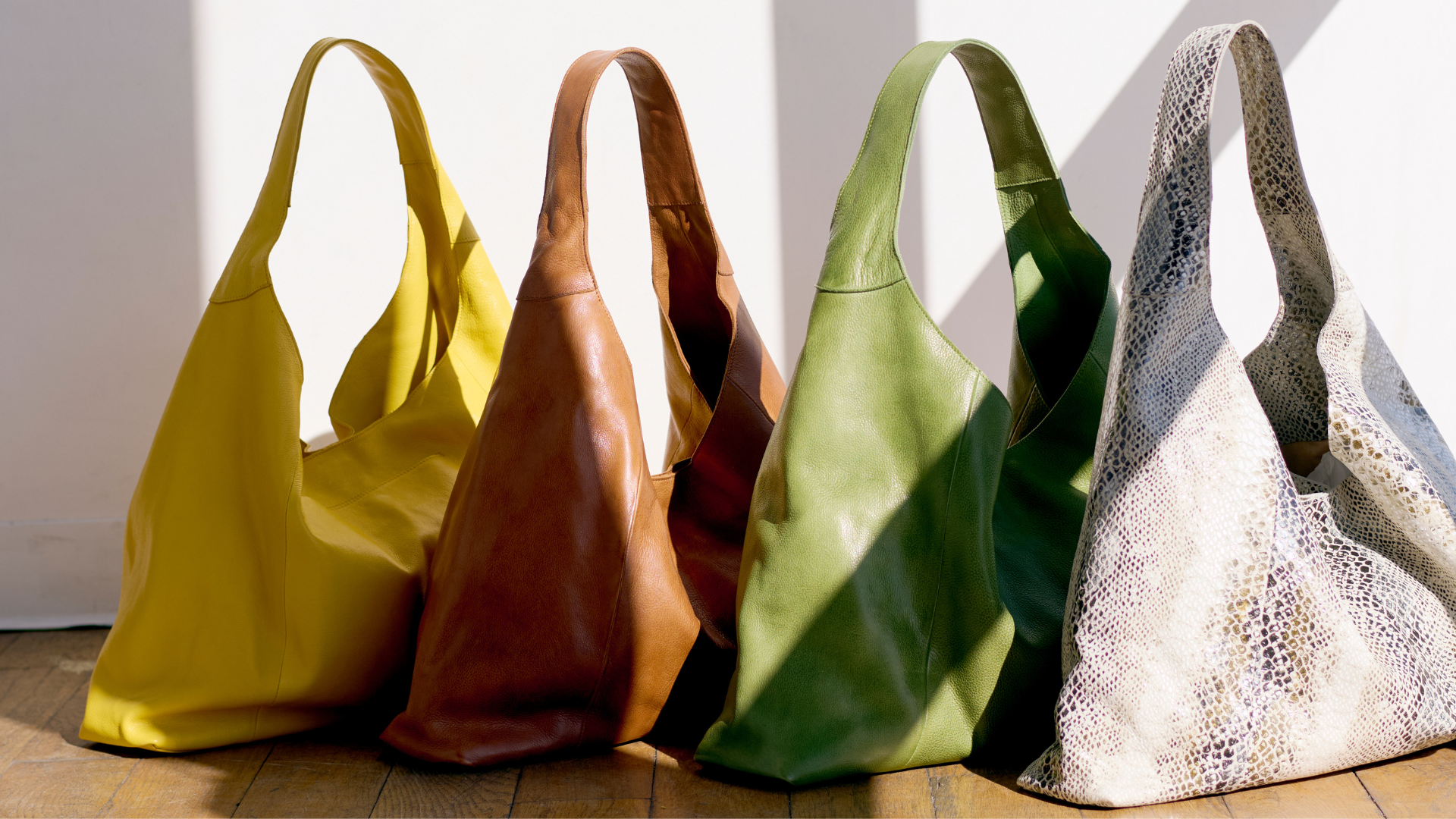
Color does most of the heavy lifting. Neutrals like black, brown, tan, and oxblood carry across nearly any wardrobe and read appropriate in almost any setting, which is why a brown leather crossbody is such a reliable starting point.
A statement color or bold texture can work beautifully in a creative role, though it gets riskier the more formal the environment.

Silhouette signals formality on its own. Structured shapes read more professional, while slouchy, unstructured ones read casual, so match the shape to the room you spend the most time in. The Catalina Leather Crossbody Bag shows how a restrained, structured silhouette holds up in client-facing settings.
Hardware tone is the finishing detail. Gold, silver, and matte black each set a slightly different register, and coordinating it with the jewelry and accessories you already wear makes the whole look feel intentional.
Care, Maintenance, and Long-Term Value
A good leather crossbody asks for very little upkeep, and the little it asks pays off for years. Condition the leather a few times a year, wipe spills as they happen, and let the bag dry naturally if it gets caught in the rain rather than forcing it near heat.
Storage habits do the rest. Keeping the bag stuffed lightly when it is not in use preserves its shape, and hanging it by the strap for long stretches puts stress on the anchors. A shelf or a dust bag treats it better.
This is where price reframes as cost per use. A well-made leather crossbody carried daily for years works out to pennies a wear, while a cheaper bag replaced every season quietly costs more. The patina that full-grain develops over time is part of that math, a feature that marks the bag as yours rather than a flaw to fix.
A Simple Framework for Deciding
When the options blur together, run them through one ordered path:
-
Match formality to your environment.
-
Confirm capacity against your real carry list.
-
Filter for material and construction durability.
-
Check strap comfort and closure security.
-
Choose color and finish for versatility.
A few worked examples show how the weighting shifts. In a formal, client-facing role, lead with a structured silhouette, restrained hardware, and full-grain leather, then sized for essentials only.
For a hybrid commuter, weight strap comfort and a secure zip closure first, then choose a neutral that moves between desk days and meetings. In an active, on-foot role, put abrasion resistance and an easy-clean surface ahead of everything, with a secure closure close behind.
The right bag is the one that fits your week, not the one that wins on paper. Start with your environment, hold it against your carry list, and let the leather do the long work. For the wider view of the category, the crossbody bag guide is a good place to keep exploring.
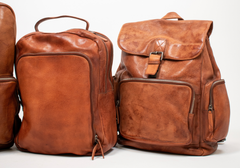
Not convinced that a crossbody will hold all of your work essentials? Leather backpacks can offer the same grown up style with plenty of room for a comfortable carry.