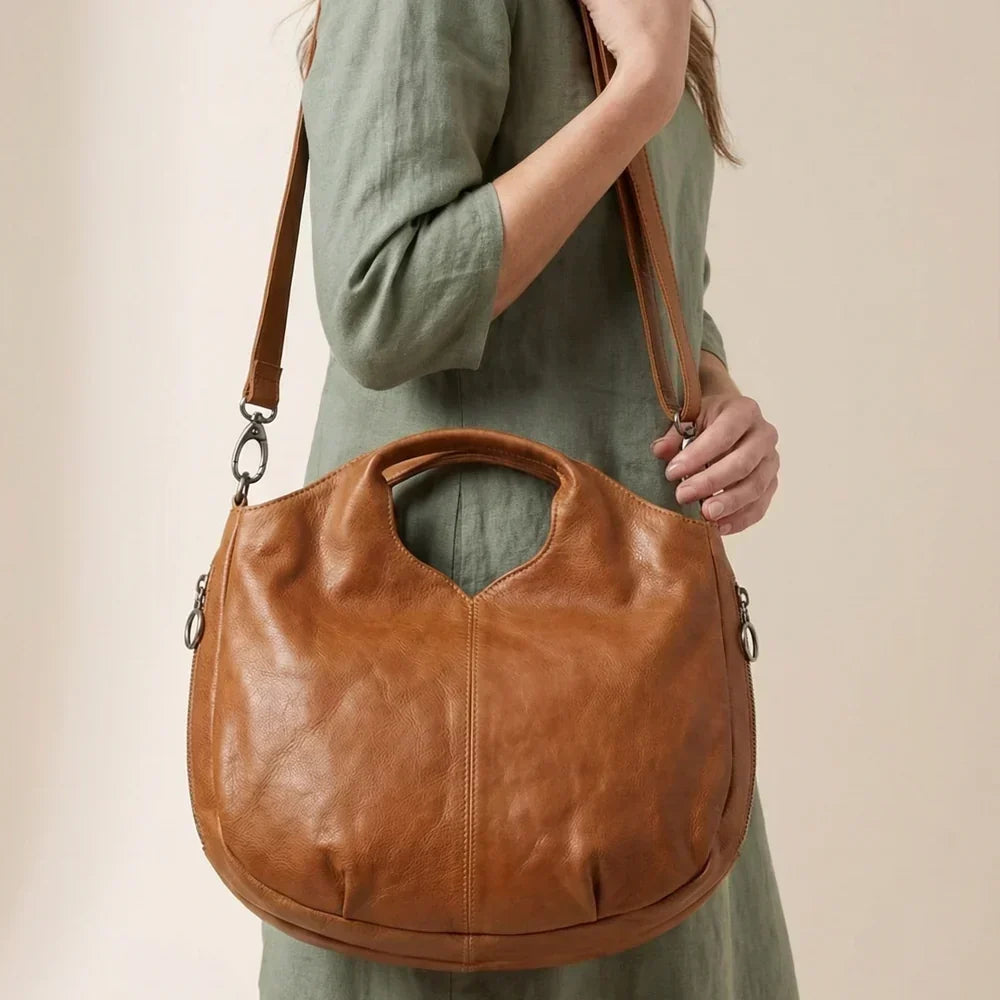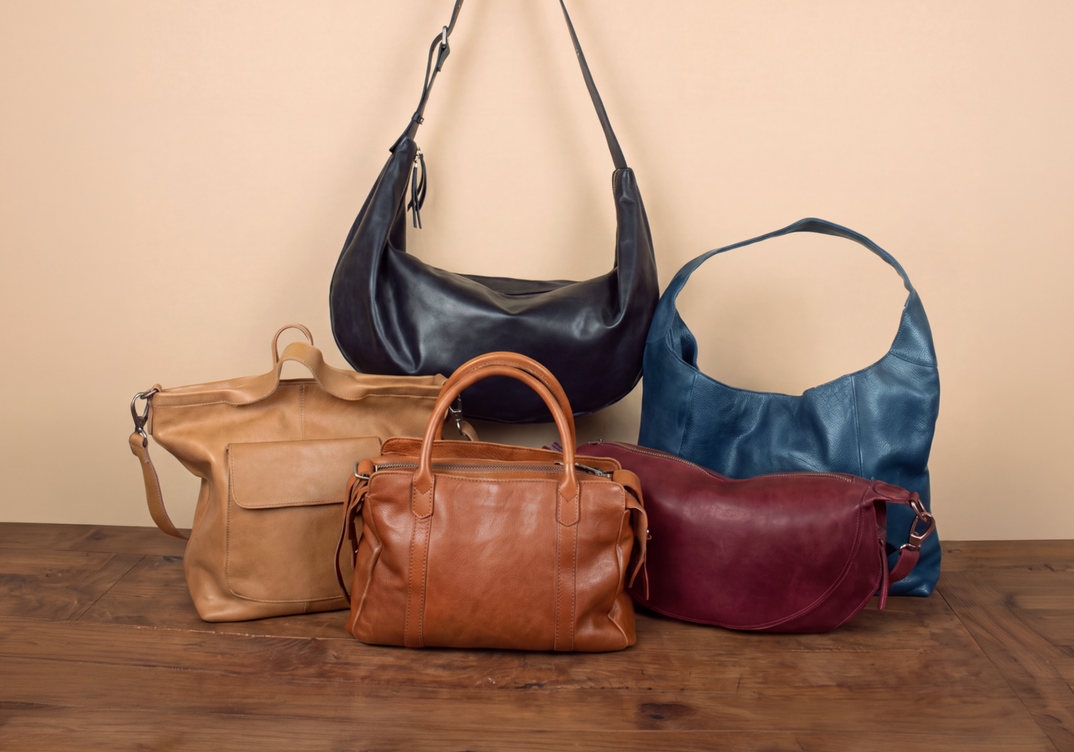
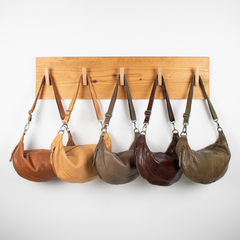
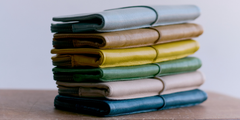
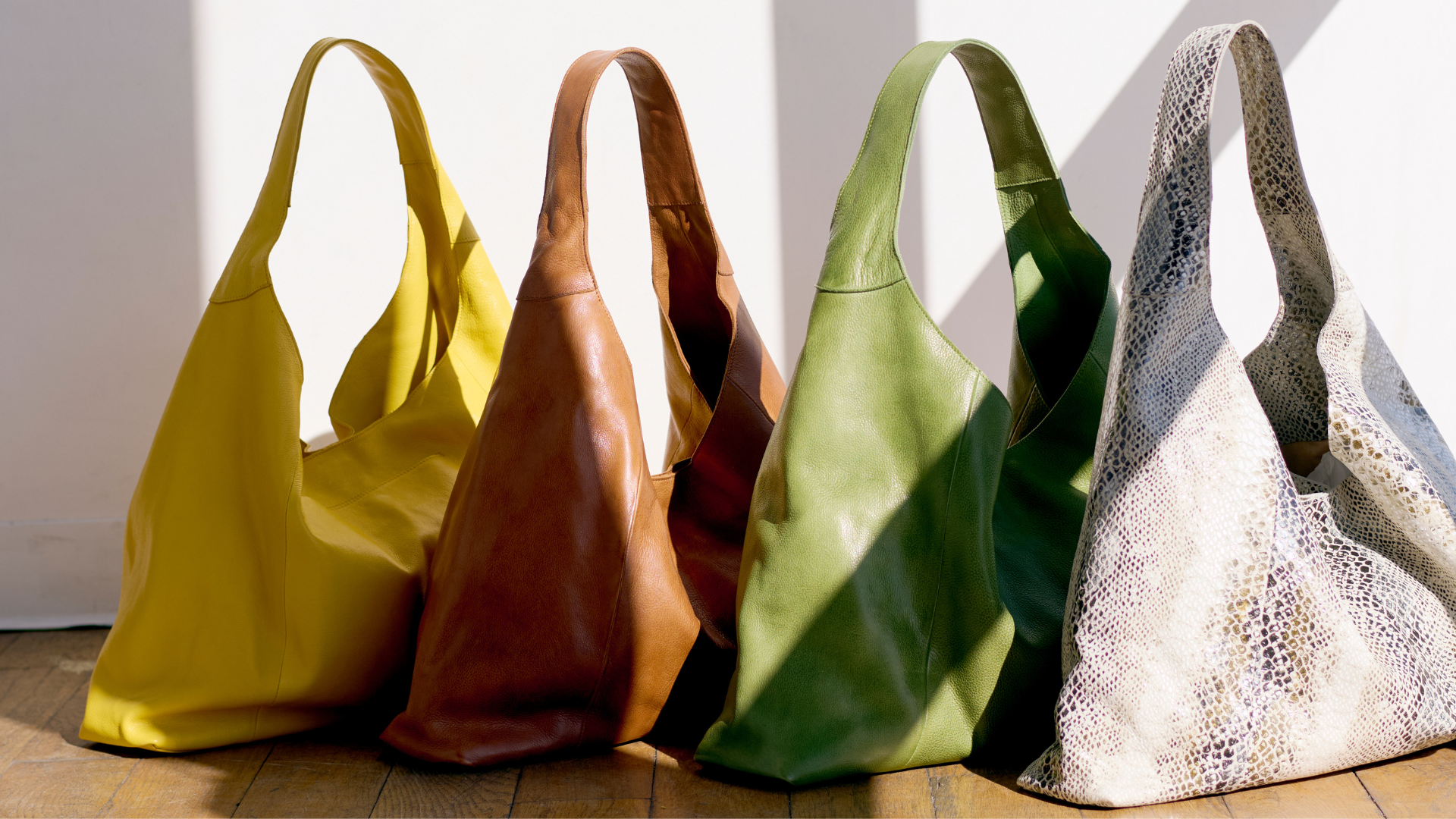
 Cognac
 Black
Black Oat
Oat Bone
Bone Brown
Brown Cafe
Cafe Mocha
Mocha Walnut
 Ruby
Ruby Wine
Wine Charcoal
 Slate
Slate Auburn
 Eggplant
 Oxblood
 Moss
Moss Burgundy
 Aubergine
 Tan
Tan Hazel
Hazel Blush
Blush Camel
Camel Red
Red Orange
 Natural
 Burnt Orange
 Poppy
Poppy Plum
Plum Rosa
Rosa White
White Grey
Grey Cobra
Cobra Denim
Denim Indigo
 Emerald
 Teal
Teal Turquoise
 Sky Blue
 Grass
Grass Green
Green Olive
Olive Yellow
 Lemon
Lemon Honey
Honey Chartreuse
 Mustard
 Lavender
 Mint
Mint Foil Burgundy
 Foil Cream
 Foil Cobra
 Foil Desert Trail
 Foil Black
 Foil Sea Glass
 Foil Turquoise
 Foil Sunflower
 Foil Brown
 Foil Chartreuse
 Foil Red
 Foil Berry
 Foil Purple
 Foil Steel
 Foil Teal
 Hair On Black
 Hair On Brown
Article: U.S. Workwear Trends 2026: How Dressing for Work Is Changing
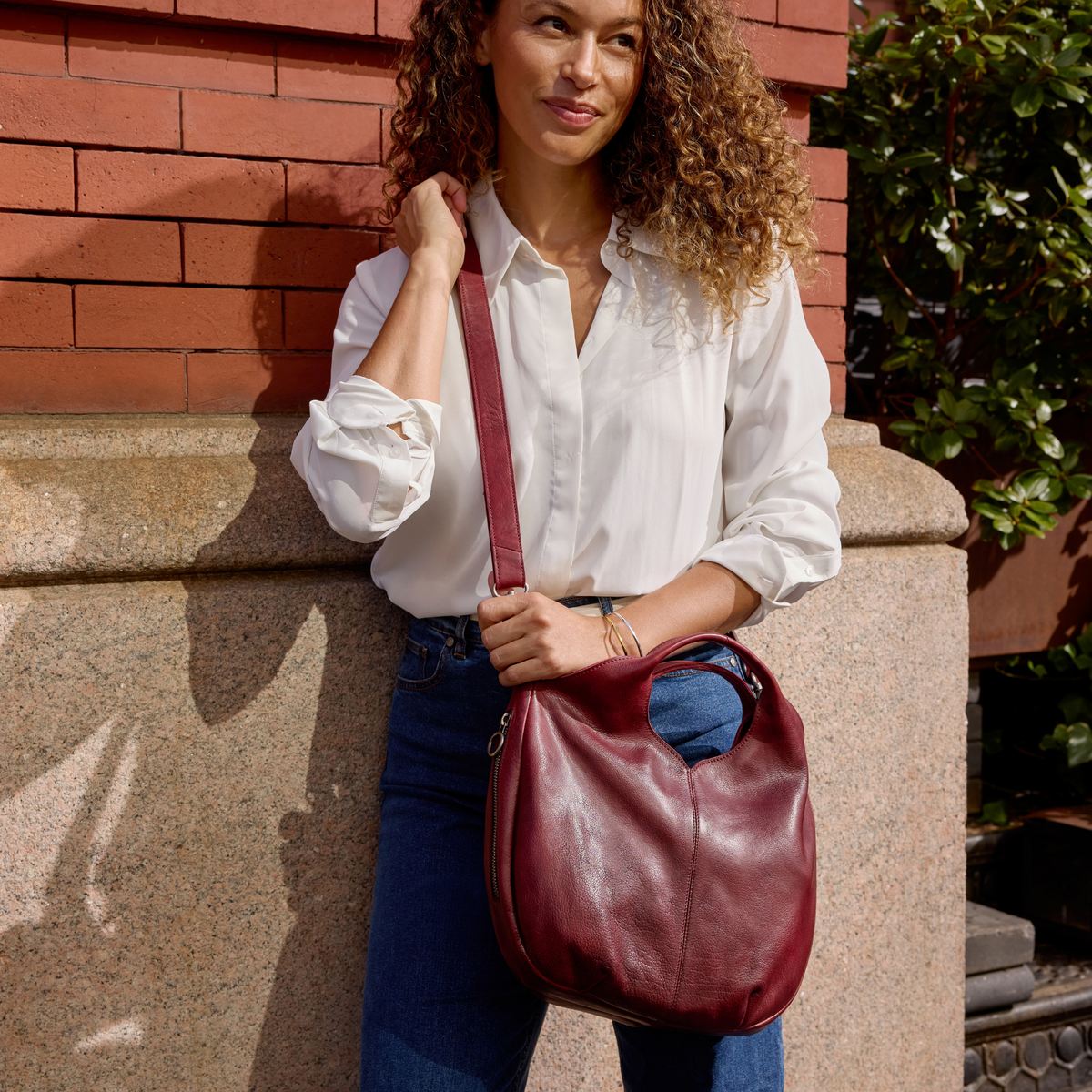
U.S. Workwear Trends 2026: How Dressing for Work Is Changing
Dressing for work is becoming more flexible. In IWG's 2025 survey of U.S. hybrid workers, 92% said it was important that the clothing they buy works for both professional and leisure use, while 53% said they rely on a repeat "work uniform" for office days.
At the same time, workplace dress codes are becoming less formal, office attendance requirements are rising, and several workwear-related clothing categories became more expensive in 2026.

Key Highlights
- 92% of U.S. hybrid workers say it is important that clothing they buy works for both professional and leisure use, including 49% who call it very important.
- When buying new clothing, 39% prioritize quality and 32% prioritize comfort while commuting.
- 53% of hybrid workers have adopted an unofficial work uniform for office days, rising to 58% of Millennials and 57% of Gen Z compared with 43% of Baby Boomers.
- Among those who use one, 54% say it makes getting ready more efficient, 43% say it reduces decision-making, and 38% say it saves money.
- 27% of hybrid workers have reduced workwear spending, while 31% are prioritizing clothing that works across the office, home and downtime.
- 67% of hybrid workers say their workplace dress code has relaxed in recent years, and only 56% report a clearly defined dress code at all.
- 89% of employers now require at least three office days a week, up from 78% in 2025, though actual attendance averages 2.9 days.
- U.S. apparel prices were 3.9% higher year over year in July 2026, with women's suits and separates up 5.2% while women's dresses fell 4.9%.
Workers Want Clothes That Work Beyond the Office
The most specific workwear evidence available comes from International Workplace Group's Workwear Reimagined study, conducted in June 2025 among 1,000 U.S. hybrid workers aged 18 and over. Its findings describe hybrid workers rather than the U.S. workforce as a whole.
Within that group, 92% said it was important that clothing they purchase be suitable for both work and leisure, with 49% describing it as very important.
Purchase priorities point the same way. 39% said they prioritize quality when buying new pieces, and 32% said they prioritize comfort while commuting. Both priorities sit alongside the wider preference for clothing that works across more than one setting.
IWG also asked which styles workers associate with hybrid working. Quiet luxury led at 18%, followed by "commuter chic" at 11%, streamlined staples at 10% and "office siren" at 10%.
The labels matter less than what they share. IWG defined commuter chic as cozy but polished dressing and streamlined staples as minimalism and capsule wardrobes, both describing clothing built to move between contexts rather than announce one.
More Than Half of Hybrid Workers Have a Work Uniform
53% of the hybrid workers IWG surveyed said they had adopted an unofficial work uniform for days spent in the office. The term describes a repeat outfit or formula chosen by the worker, not an employer-issued uniform.
Adoption was highest among younger workers: 58% of Millennials and 57% of Gen Z, compared with 43% of Baby Boomers.
The reasons given are practical rather than aesthetic. 54% said a repeat outfit makes getting ready more efficient, 43% said it reduces the number of decisions they have to make, and 38% said it helps them save money.
That suggests the professional wardrobe is becoming more repeatable rather than simply larger, with the same pieces recurring more often.
Repetition has not displaced personal taste. 75% said their workwear reflects their personal style, while 25% said their professionalism had been judged based on what they wear. Appearance still carries weight even as the rules loosen.
Hybrid Workers Are Becoming More Selective About Workwear
The same study offers the clearest picture of how economic pressure is shaping workwear purchasing, again among hybrid workers specifically.
31% said current economic conditions are leading them to prioritize clothing that works across the office, home and downtime. A further 27% said they have reduced their spending on workwear, and 21% said they are increasingly shopping secondhand.
Read together, these figures describe selectivity rather than retreat: less spending on dedicated workwear, and more weight given to pieces that transfer cleanly between settings.
The surveys did not measure bags or accessories directly. The same priorities they do record, versatility and commuting comfort, apply to the wider work wardrobe rather than to garments alone.
Business Casual Has Become the Workplace Middle Ground
Two separate surveys point to the same softening of dress standards, though they measure different populations and should be read side by side rather than combined.
Among IWG's hybrid workers, 67% said their workplace dress code has relaxed in recent years, and only 56% reported having a clearly defined dress code at all.
Monster's January 2025 survey covered U.S. workers more broadly. It found that 43% had not worked in an office with a dress code during the previous year.
Among Monster respondents whose dress requirements had changed, 22% said the code had become more casual and 17% reported a greater emphasis on comfort without sacrificing professionalism. Only 6% said their dress code had become stricter or more formal.
Where a dress code did exist, one category dominated. 63% described it as business casual, followed by casual at 15% and smart casual at 9%. Business formal accounted for 6%.
Worker preference tracks close to current practice rather than pushing past it. Asked what they would choose themselves, 45% picked business casual, compared with 31% who chose more relaxed and comfortable clothing.
Formality has narrowed, in other words, but expectations have not disappeared. The midpoint has moved, and business casual is where it now sits.
The Office Still Matters
Attendance data explains why versatility has become valuable, though it measures policy rather than clothing.
CBRE's 2026 Americas Office Occupier Sentiment Survey found that 89% of employers now require at least three days of office attendance per week, up from 78% in 2025. The share expecting only one or two office days fell from 23% to 11%.
Observed attendance still trails those policies. Employers target 3.2 days a week while actual attendance averages 2.9 days, up from 2.8 days in 2025.
CBRE describes hybrid work as an established feature of the workplace even as requirements tighten. For workwear, that means more office days than before, but not a return to a uniform five-day week, and wardrobes that work across both kinds of day.
There are signs of renewed attention to officewear alongside those requirements. Stitch Fix reported that in spring 2025, client requests mentioning "office wear" rose 30% and requests mentioning "corporate" rose 20%, with interest concentrated in structured blazers, pencil skirts and wide-leg trousers. These figures come from the company's own client requests rather than a national retail measure.
Prices add a further dimension. In July 2026, U.S. apparel prices were 3.9% higher year over year, with men's apparel up 3.5%, women's apparel up 2.9% and footwear up 3.4%.
Several categories associated with work clothing rose faster than the average: women's suits and separates increased 5.2%, men's pants and shorts 4.2%, men's shirts and sweaters 3.6%, and women's outerwear 3.0%.
Others moved the opposite way. Women's dresses were 4.9% cheaper than a year earlier, and men's suits, sport coats and outerwear fell 1.3%. Consumer Price Index data tracks price changes rather than spending or purchase volume, so it describes the cost of restocking a work wardrobe, not the size of the restock.
What the Data Shows
Versatility is now the organizing principle of the hybrid work wardrobe. The 92% figure, alongside quality and commuting comfort as leading purchase priorities, describes clothing bought to cross settings rather than serve one.
Repetition has become normal. A majority of surveyed hybrid workers use a repeat work uniform, and they explain it in terms of efficiency, fewer decisions and cost rather than style.
Formal dress standards have consolidated rather than vanished. Business casual is the dominant code among workers who have one, business formal is marginal, and a quarter of hybrid workers still report being judged on their appearance.
The office remains part of the equation without absorbing the whole week, with attendance requirements rising while realized attendance holds near three days. Against that, workwear price movement in 2026 is mixed rather than uniform, with suiting and separates rising while dresses and men's tailoring fell.
Sources
- International Workplace Group Workwear Reimagined 2025
- Monster Workplace Dress Codes 2025
- CBRE 2026 Americas Office Occupier Sentiment Survey
- U.S. Bureau of Labor Statistics — sorry, Stitch Fix Top Trends Shaping Spring 2025
- U.S. Bureau of Labor Statistics Consumer Price Index, July 2026
- U.S. Bureau of Labor Statistics CPI Detailed Apparel Categories, July 2026